
Beyond The Prescription: Building Trust And Accessibility In Malaysia’s Healthcare Map: Dr Israfil Merican, Vice President, Biopharma and Patient Access of Pharmaniaga Berhad, Shares
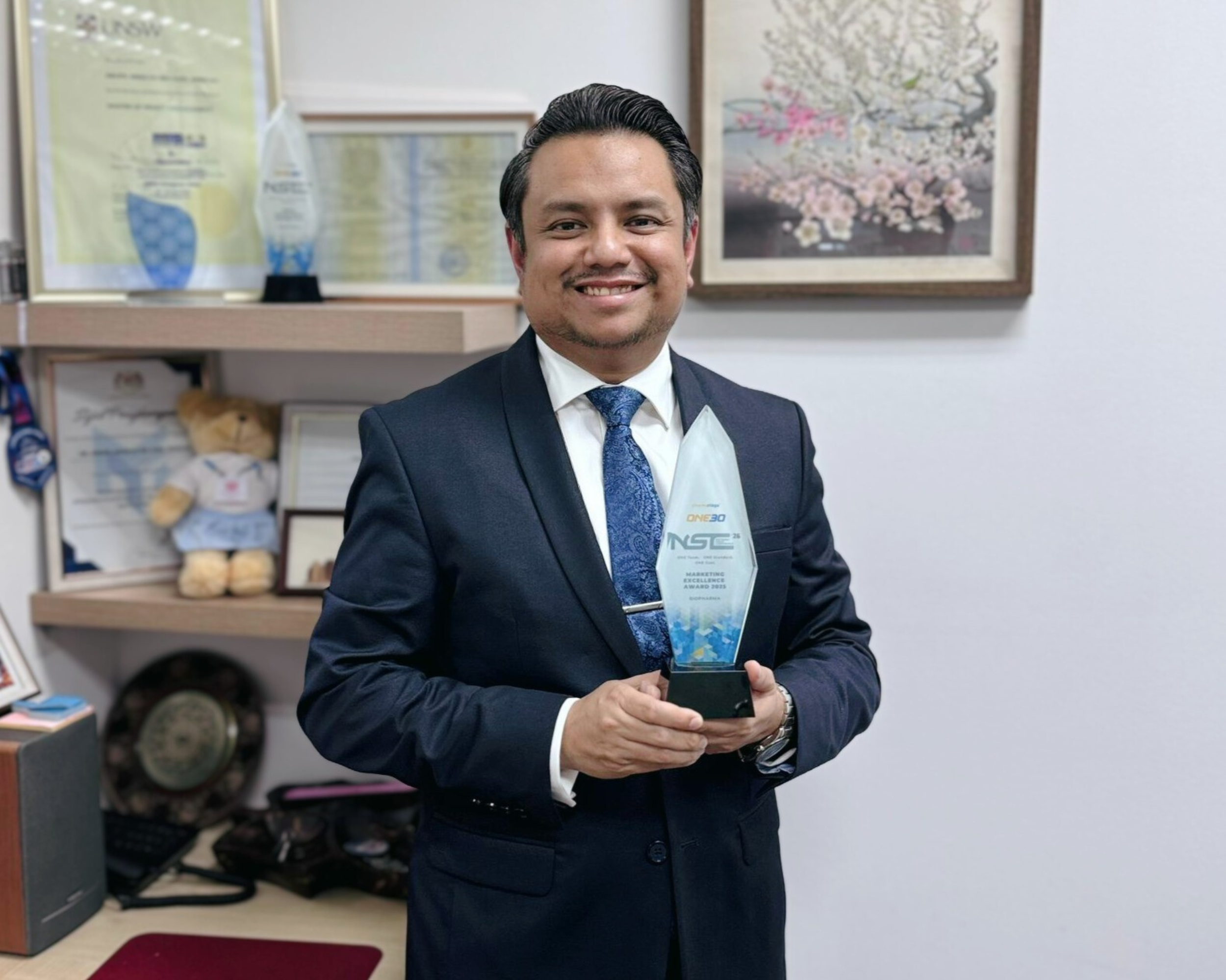
When we talk about healthcare, we often think of doctors and hospitals. We rarely think about the invisible bridge that connects medicines to patients. In Malaysia, that bridge is often built by professionals like Dr Israfil Merican.
As one of the key leaders within the commercial subsidiary of a pharmaceutical giant, Pharmaniaga, Dr Israfil and his team are doing all the heavy lifting when it comes to managing trust. Since this industry is defined by strict regulations and complex science, his challenge is to keep the conversation human. We had a conversation with him to peel back the layers of how medicines actually reach our cabinets, the evolving digital ecosystem of healthcare, and what it takes to lead a brand that millions of Malaysians rely on every single day.
Tell us, who is Dr Israfil Merican in your eyes?
I see myself first and foremost as a bridge-builder—between science and society, policy and people, innovation and access. My journey began as a medical doctor, where I learned early that a prescription alone does not heal; trust, understanding, and access do. That belief has shaped every chapter of my professional life since.
Today, as Vice President of Biopharma and Patient Access at Pharmaniaga Berhad and Director of Pharmaniaga Marketing Sdn. Bhd., a subsidiary of Pharmaniaga Berhad, I sit at a unique intersection of healthcare, business, and nation-building. Pharmaniaga is not just a pharmaceutical company; it is part of Malaysia’s healthcare backbone. Leading within this ecosystem comes with a deep sense of responsibility—because the decisions we make affect not just balance sheets, but lives, families, and communities.
I work in what many would call the “invisible” side of healthcare. Patients rarely see the layers of work behind a medicine reaching a clinic, a pharmacy, or a workplace vaccination drive. Yet those layers—regulatory compliance, supply chain integrity, stakeholder trust, education, and affordability—are where impact truly happens. My role is to ensure those systems work seamlessly, ethically, and sustainably.
Leadership, to me, is about humanising complexity. The pharmaceutical industry is defined by data, protocols, and strict regulations, but the people we ultimately serve are human beings with fears, hopes, and real constraints. My job is to ensure that our strategies never lose sight of that reality. Whether launching vaccines, expanding patient access programmes, or building new partnerships, I ask a simple question: Does this make healthcare more reachable for Malaysians?
I also believe strongly in building teams and ecosystems, not just products. Progress in healthcare is never achieved alone. It requires collaboration—between government, healthcare professionals, industry, employers, and increasingly, patients themselves. I’m proud of the teams I lead, the partnerships we’ve built, and the quiet trust we earn every day by delivering consistently.
At the end of the day, I am still driven by the same purpose I had as a young doctor: to make healthcare meaningful, accessible, and trustworthy—beyond the prescription.
You are in one of the most complicated industries from the marketing point of view. You see, your 'customers' are often doctors and pharmacists, but the end-users are everyday people. How do you market a product where the person paying for it isn't the one deciding to use it? We'd love to hear some inside stories, especially on how you build a brand that both specialists and the public can trust.
Healthcare marketing is unique because influence, payment, and usage often sit with different stakeholders. Doctors recommend, employers pay, and patients receive. Navigating this triangle requires clarity of purpose and consistency of trust.
A good example is our corporate influenza vaccination initiative. Traditionally, influenza vaccination in Malaysia was seen as an individual, optional choice—often under-prioritised. We reframed the conversation by shifting the narrative from personal protection to workplace responsibility and productivity.
For corporate HR leaders and employers, we spoke the language of business continuity, absenteeism reduction, and employee well-being. For healthcare professionals, we focused on clinical evidence, safety, and alignment with public health recommendations. And for employees—the end-users—we kept the message simple: protection for yourself, your family, and your colleagues.
What made the programme successful was trust across all three levels. Employers trusted Pharmaniaga because we could deliver reliably at scale. Healthcare professionals trusted us because we upheld medical integrity and proper protocols. Employees trusted us because the experience was professional, accessible, and human—vaccinations conducted at their workplace, with clear explanations and respectful engagement.
Marketing, in this sense, was not about persuasion. It was about alignment. When all stakeholders see their values reflected in the same initiative, adoption follows naturally. That is how you build a healthcare brand that resonates beyond advertising—by embedding it into real-world impact.
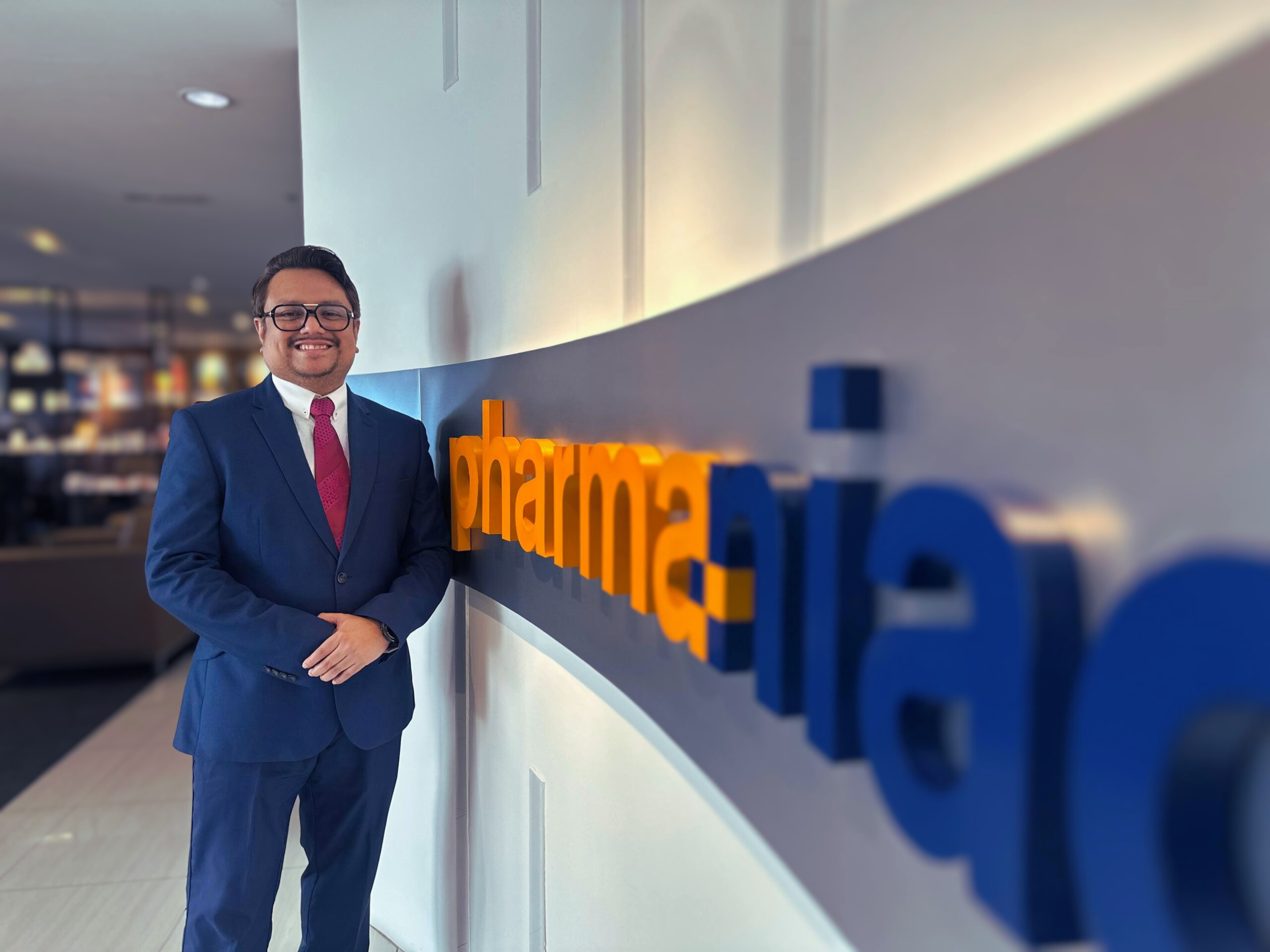
What makes a pharmacy choose to work with a local company over a global competitor?
Pharmacies operate at the frontline of healthcare. Their priorities are practical, immediate, and patient-centred. When choosing between a local and a global pharmaceutical company, the decision often comes down to three fundamentals: pricing, reliability, and logistics—and this is where Pharmaniaga has built a strong leadership position.
First is pricing. Local companies like Pharmaniaga understand the economic realities of Malaysia’s healthcare system—public and private. Our pricing strategies are designed to balance affordability with sustainability, ensuring pharmacies can serve patients without compromising on margins or access. Competitive pricing is not about being the cheapest; it is about being fair, predictable, and aligned with long-term partnerships.
Second is reliability. Pharmacies value consistency above all else. Stock-outs are not just operational issues; they affect patient trust. Pharmaniaga’s long-standing role in supplying essential medicines has built a reputation for dependable availability, even during periods of global disruption. That reliability creates confidence—pharmacies know they can plan, dispense, and serve without uncertainty.
Third, and often underestimated, is logistics support. Pharmaniaga’s distribution network is one of the most extensive in the country. Our ability to deliver nationwide, including to semi-urban and rural areas, gives pharmacies a tangible operational advantage. Beyond delivery, we provide responsive customer service, local engagement, and faster resolution when challenges arise.
Ultimately, choosing a local company is not about nationalism; it is about practicality and partnership. Pharmacies work with Pharmaniaga because we are present, accountable, and invested in the same healthcare ecosystem they serve. When a company understands local needs deeply and delivers consistently, trust follows—and trust is the strongest competitive advantage of all.
Now, healthcare marketing is buried under strict rules and heavy jargon. How do you keep your messaging simple and human without losing the seriousness that medicine requires? Is there a specific approach you’ve used that successfully broke down a complex medical idea for the Malaysian public?
In healthcare, clarity is not the enemy of seriousness. In fact, it is essential to trust. Our approach has always been to simplify without diluting—and partnerships play a critical role in making that possible.
We work closely with Key Opinion Leaders (KOLs) who are not only clinically credible but also strong communicators with the public. These are healthcare professionals who understand that education is part of care. When complex medical concepts are explained by trusted voices in relatable language, they resonate far more than corporate messaging alone.
Beyond KOLs, we believe in multi-layered partnerships. We collaborate with employers, professional bodies, pharmacists, and patient communities to contextualise information. Each partner helps translate medical science into everyday relevance—whether it’s prevention, adherence, or long-term health planning.
We also invest time in understanding cultural nuance. Malaysia is diverse, and health communication must be respectful, inclusive, and grounded in local realities. Simple language, visual storytelling, and real-life examples are powerful tools when used responsibly.
One guiding principle we follow is this: if a patient cannot explain what a medicine or vaccine is for after hearing our message, we have not communicated well enough. Regulations define what we can say; empathy defines how we say it. When those two coexist, healthcare messaging becomes both compliant and genuinely human.
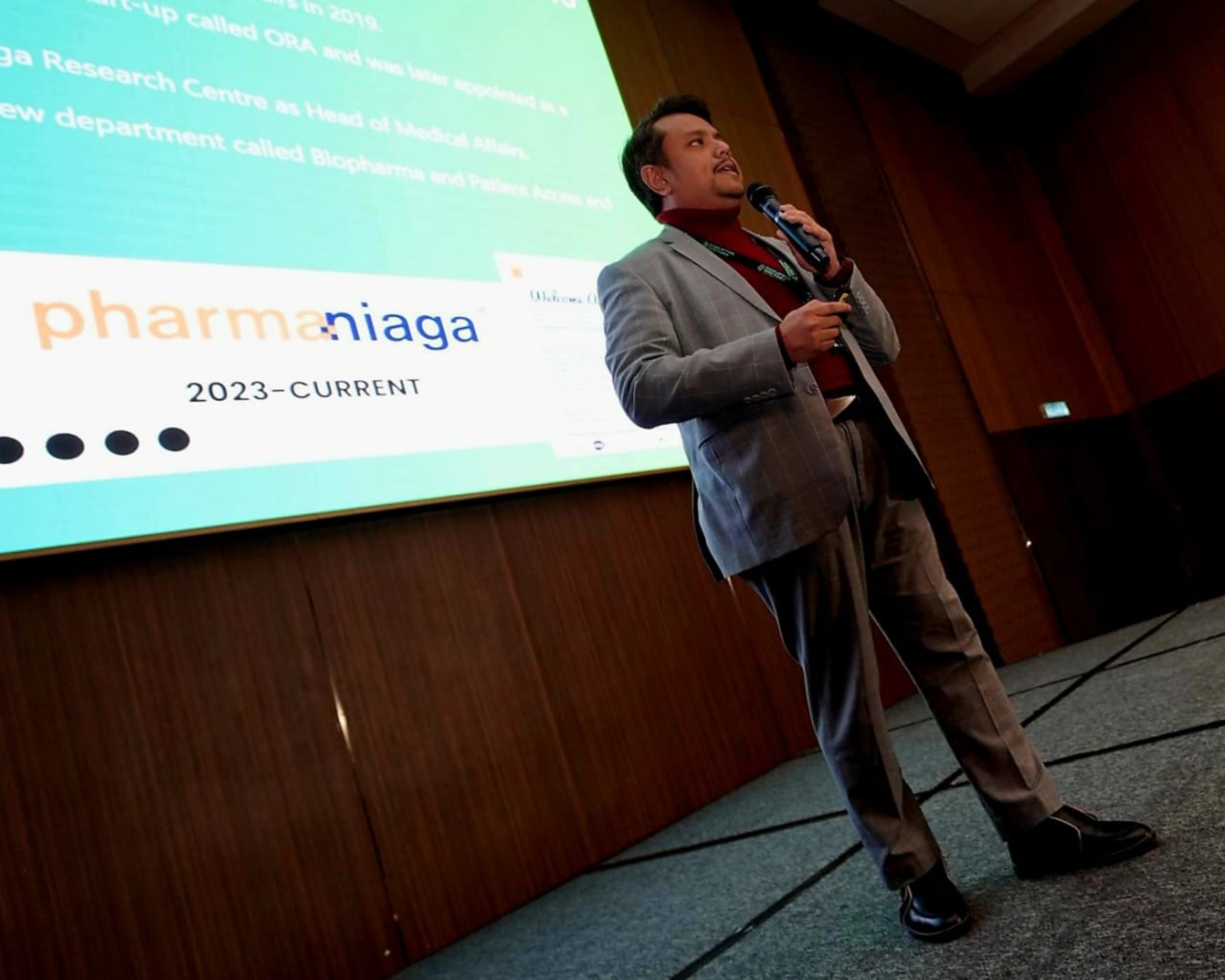
Looking at the trend, people are consuming content today, everything is digital, instant and conversational. How is your team adapting the way healthcare products are discovered and delivered?
Healthcare discovery and delivery are no longer linear. Patients move fluidly between physical and digital touchpoints, and our strategies are evolving accordingly.
We now view the patient journey as an ecosystem rather than a pathway. Awareness may begin digitally—through social content, educational videos, or employer communications—before transitioning into physical touchpoints such as clinics, pharmacies, or workplace vaccination sites. Post-interaction, the journey returns to digital, where follow-ups, reminders, education, and engagement continue.
Our focus is on integration, not replacement. Digital tools enhance access, convenience, and education, while physical interactions preserve trust, clinical assurance, and human connection. For example, online education builds confidence, but face-to-face vaccination or pharmacist counselling completes the experience.
Moving forward, key opportunities include:
Personalised digital education aligned to life stages
Stronger pharmacist-led digital engagement
Employer-driven health platforms integrating preventive care
Data-informed but ethically governed patient insights