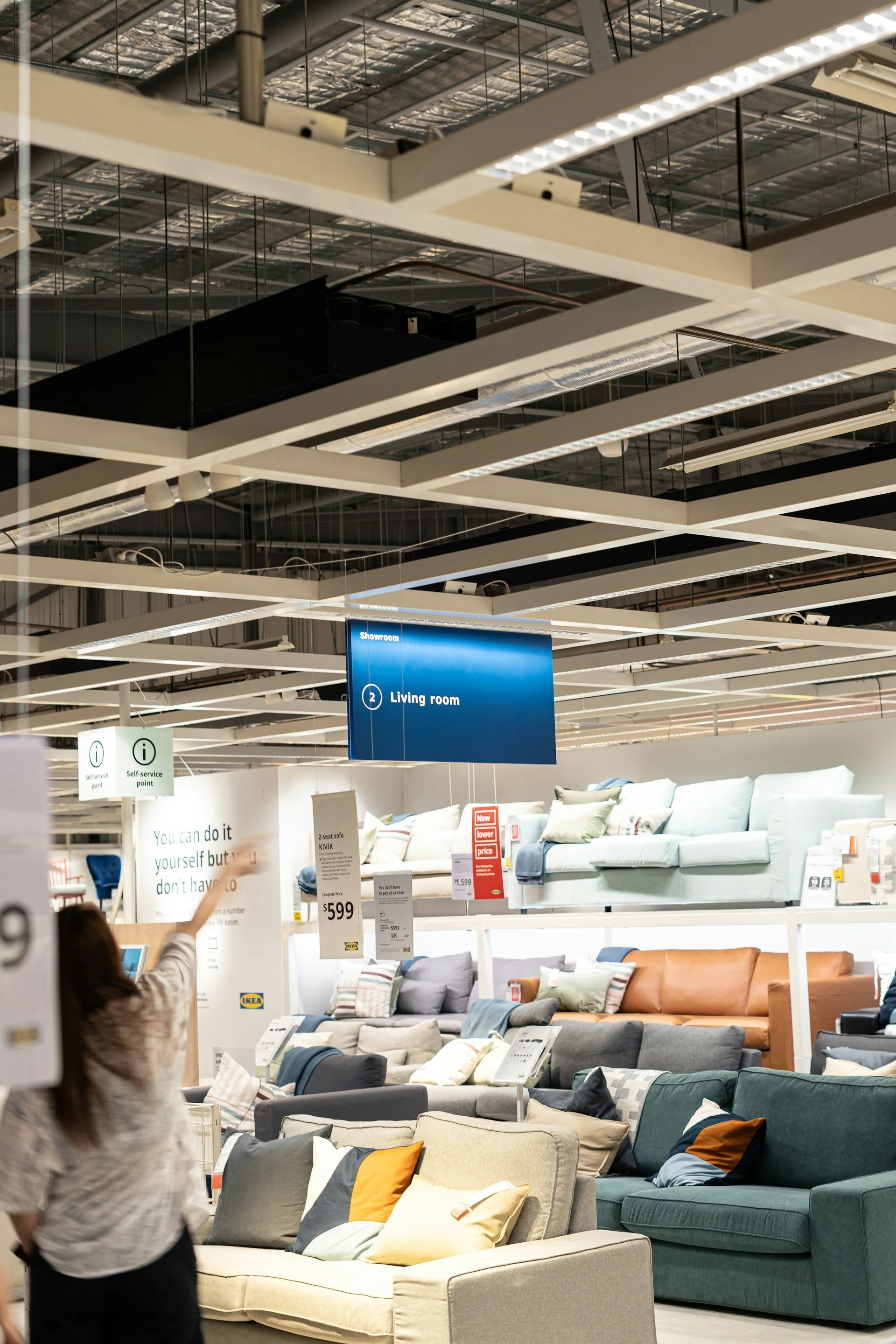
Then comes what they call the endowment effect. The moment you pick up an item or drop it into your cart, it begins to feel like yours. Parting with it becomes psychologically difficult. Combine this with the sunk cost of travelling to IKEA, spending time walking its vast aisles, and even grabbing a meal in between, and most people will walk out with something, even if it wasn’t on their original list.
There’s also a clever manipulation of time. Most IKEA stores are designed without windows along the shopping route. Without natural light as a reference, customers lose track of whether it is morning, afternoon or night. It’s the same tactic casinos use: remove time cues, and people stay longer, browse more, and ultimately spend more.
And just when energy dips, IKEA offers another nudge. The food court isn’t just about keeping families fed; it’s about priming. A plate of their famous Swedish meatballs doesn’t just satisfy hunger; it creates comfort. Research shows customers who eat at the café spend significantly more afterwards. Even the pricing strategy plays a role. Early in the journey, customers encounter extremely cheap items like the ice trays, kitchen utensils, and storage bins. These low prices act as anchors, shaping the perception that everything else in the store is reasonably priced. By the time you reach the more expensive furniture, it feels like a smart, justified purchase.
What IKEA sells is far more than flat-packed furniture. It is a carefully crafted experience, powered by behavioural science at every turn. The one-way maze, the inspiration-to-action marketplace flow, the immersive room sets, the subtle sense of ownership, the absence of windows, the comfort of food, and the strategic pricing all combine to transform casual browsing into full carts. So the next time your IKEA trip turns into an unplanned shopping spree, you’ll know why.
And that, my friend, is marketing done right.