What Is A Mood Board, And How Does It Work?

A mood board is a visual arrangement of images, materials, text, and colour palettes that defines the conceptual direction of a brand or project. Unlike the marketing blueprint, a mood board is the visual blueprint that helps the stakeholders understand the design and other creative direction proposed. Instead of trying to describe a look or a feeling using words, which can easily be misinterpreted, a mood board captures the exact vibe, texture, and emotion of a brand or project before the actual build begins.

It works through the power of visual alignment. The mechanics involve gathering a curated collection of reference points, such as typography styles, photography textures, colour swatches, and even UI layouts, and arranging them to see how they interact. This process helps creative teams, customers or both align on the artistic vision early. It acts as a safety net that prevents costly revisions later by ensuring that everyone involved is picturing the same aesthetic outcome before a single dollar is spent on final asset creation.
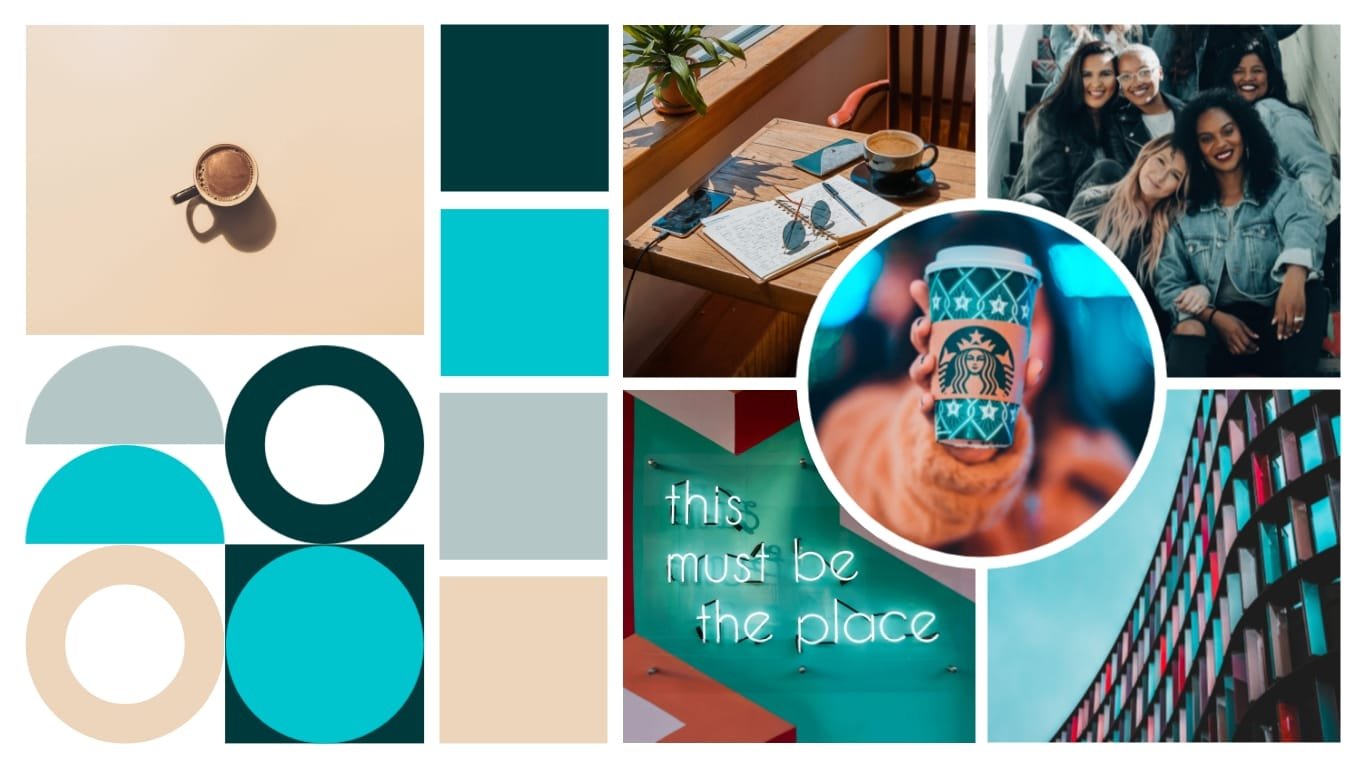
Image: Visme

Let’s say there’s a boutique interior design firm pitching a concept for a modern Scandinavian cafe. Instead of just saying "it will look minimalist and warm," they present a digital mood board. It features swatches of light oak wood, concrete textures, a specific muted olive-green colour palette, examples of clean serif typography, and photos of soft, natural lighting. The customer can instantly look at the board and say, "Yes, this perfectly matches the atmosphere I want," or "Let's change the wood tone." The direction is locked in within minutes.

For a business, a mood board is an essential tool for maintaining brand consistency. Whether you are launching a new product line, redesigning your website, or planning a premium marketing campaign, it serves as your creative north star. It ensures that every designer, copywriter, or agency partner you work with produces assets that feel like they belong to the same family. By taking the time to define the mood first, you eliminate creative friction and build a highly cohesive, professional brand identity.


Previous
Previous

What Is A Digital Asset, And How Does It Work?

Next
Next

What Is The Recommended Actions Document, And How Does It Work?