What Is A Tier-Based Pricing Structure, And How Does It Work?
Amateur businesses always leave too much money on the table. They set one flat price per product or service, then pray for customers to choose the one they prefer, and everybody will then be happy ever after once the transaction is concluded. In reality, it is not as simple as that. In this era, you need to understand the exact target customer group you are after. You also need to understand their background, the underlying needs they uniquely have, the type of solutions that fit into those needs, and at which price point they are comfortable buying.
That is where a tier-based pricing structure comes in. Instead of forcing a single price point onto every customer, tier-based pricing allows you to organise your offer into distinct values or levels.
In general, tiered pricing splits your products or services into different levels based on features, usage limits, or service quality. Each tier targets a specific buyer persona with a price point that matches the value they get out of your offer.
Most businesses choose these three tiers.
The Starter Tier. This is the entry-level tier, designed for budget-conscious customers or smaller businesses who only need essential features.
The Growth Tier. The sweet spot. This tier packs the features most of your core customers want, offering a decent value at a profitable price point.
The Enterprise Tier. The upgrade. It is packed with advanced features, dedicated support, and custom integrations built for large operations willing to pay premium rates. The margin is bigger here.
When customers sign up, they choose the option that fits their current operations. As their business grows and their needs expand, they naturally upgrade to higher tiers—increasing their lifetime value without you having to re-acquire them.
Initially, you want to transform a stranger into a paying customer. That Starter Tier will be a great door-opener. Once they’ve become your customer, indirectly nudge them to go one level up, bringing them to the mid-tier (The Growth Tier), as this is where you will earn a better profit margin.
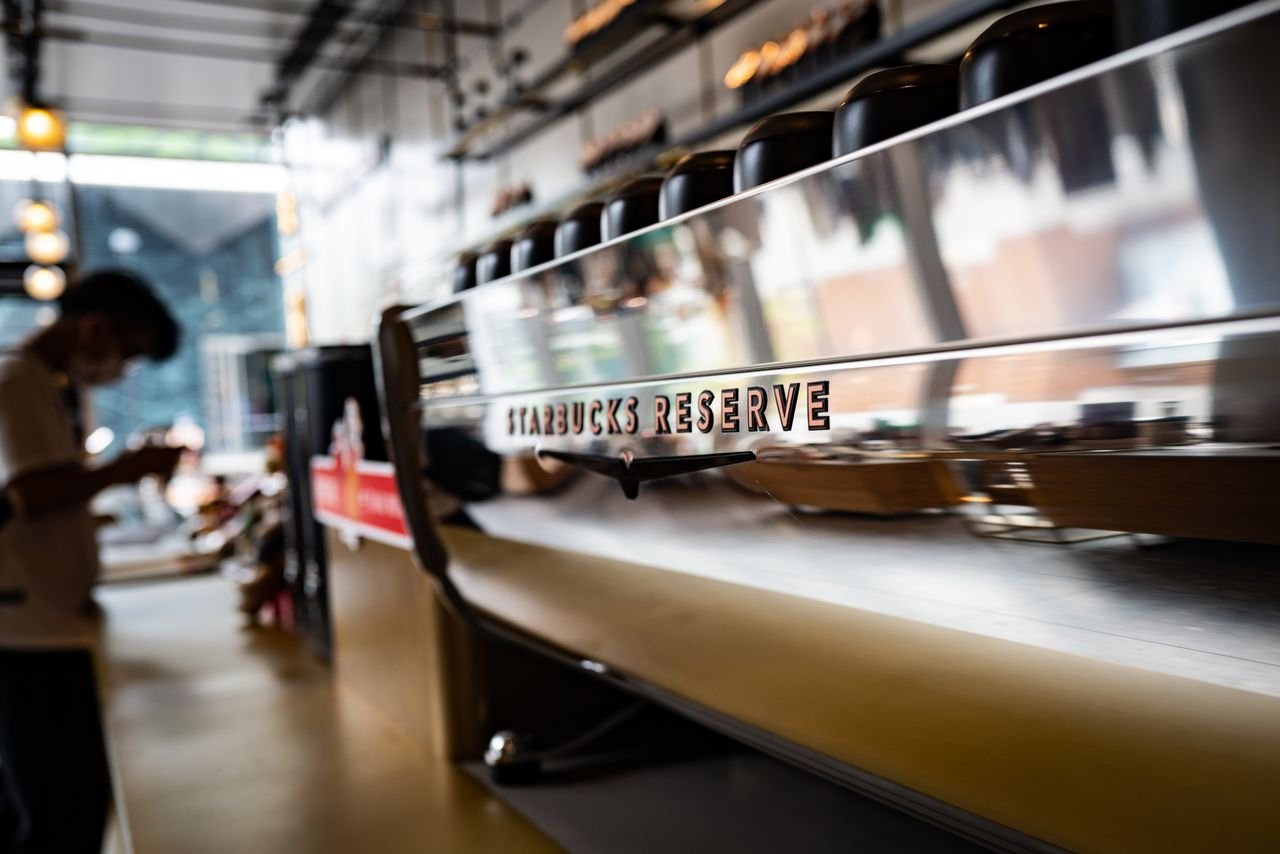
The benefit to your customer is clear. Tiered pricing simplifies complex choices for them. Instead of negotiating custom contracts for every lead, you give them clear options tailored to where they are today. It also anchors value effectively. When the customers see a top-tier package next to your core offering, the middle option feels like a no-brainer investment rather than an expense. Starbucks is good at this. People who love their coffee usually end up buying the Grandé size, not Tall or Venti.
Depending on your requirements, whether to attract new customers, maximise revenue, or capture a wider target market, a tier-based pricing model is one of the strongest levers you can pull.
A Tier-Based Pricing Structure
It simplifies complex choices for your customers. Instead of negotiating custom contracts for every lead, you give them clear options tailored to where they are today. It also anchors the value they will get effectively.