
Seah Eu Jeen, Founder Of Kiniterang Consulting, On Speaking Human
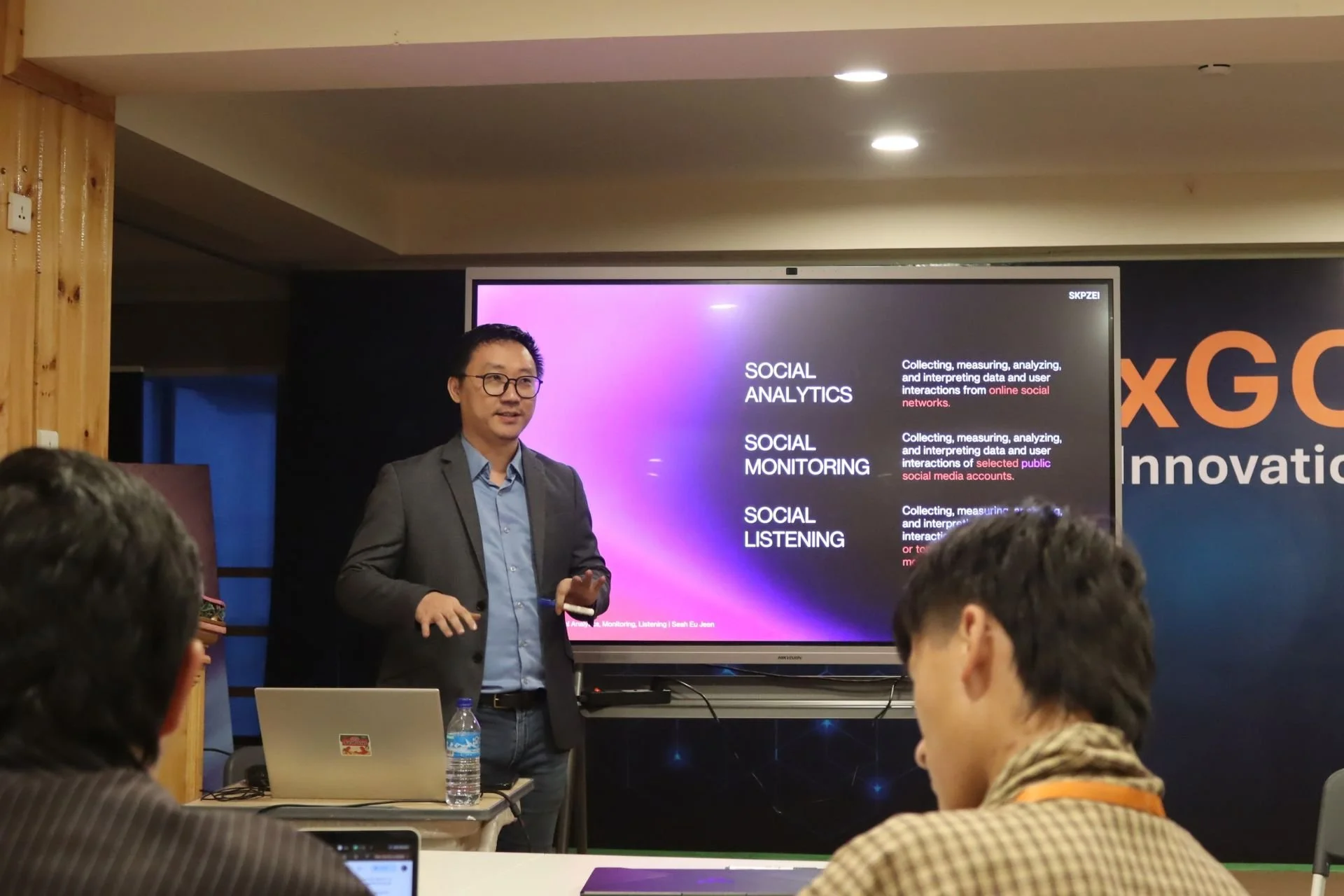
Image: Seah Eu Jeen, Kiniterang
A few years ago, I built a strategy team inside one of the largest professional services firms in the world.
It started small with a 3-man team (myself, a graphic designer, and an account executive) and grew into something substantial. The team became 15 people. We made millions in annual revenue from the get-go. We worked on serious projects with serious companies, and by most conventional measures, things were going well.
I was proud of what we built. I still am. But the longer I stayed in that world, the more I started noticing something that bothered me. Companies were becoming increasingly sophisticated in how they managed themselves, but not necessarily better at sounding human. Everything was polished. Everything was approved. Everything went through layers of review. Somewhere in that process, I felt the life of the brand (or perhaps my own life) got squeezed out of it.
The language became safer, but also flatter. Companies started sounding like other companies. Leaders started sounding like press releases. Employees were encouraged to be visible, but only within fairly narrow boundaries. Everyone wanted authenticity, provided it had been cleared by legal, communications, HR, brand and probably three other people you never knew existed.
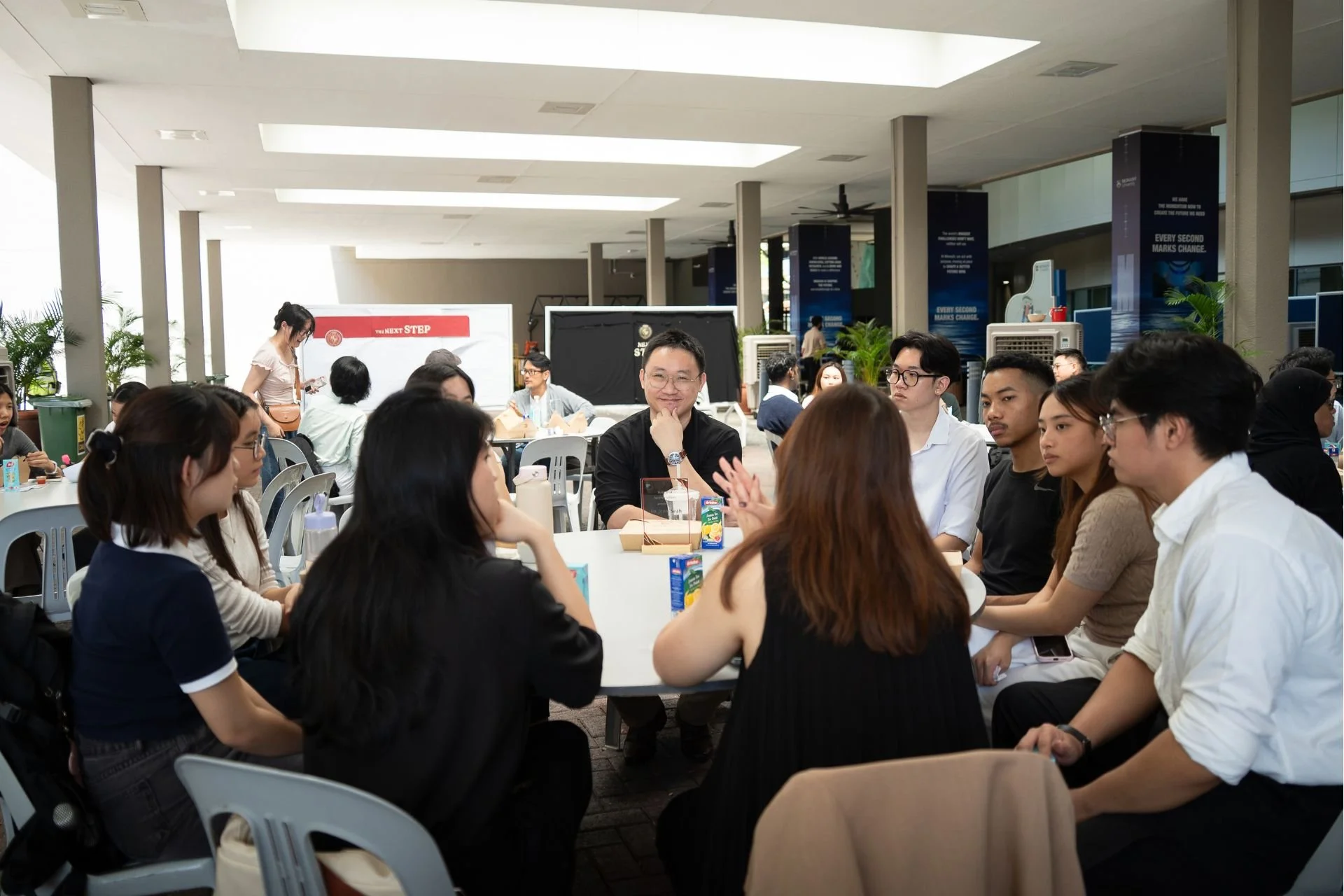
Image: Seah Eu Jeen